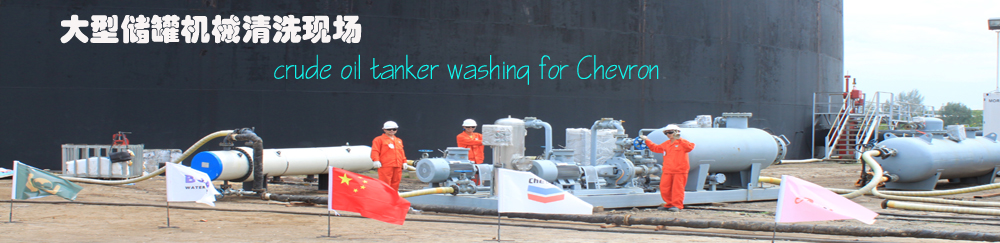
What is the mechanical cleaning equipment for the BJATL crude oil storage tanks?
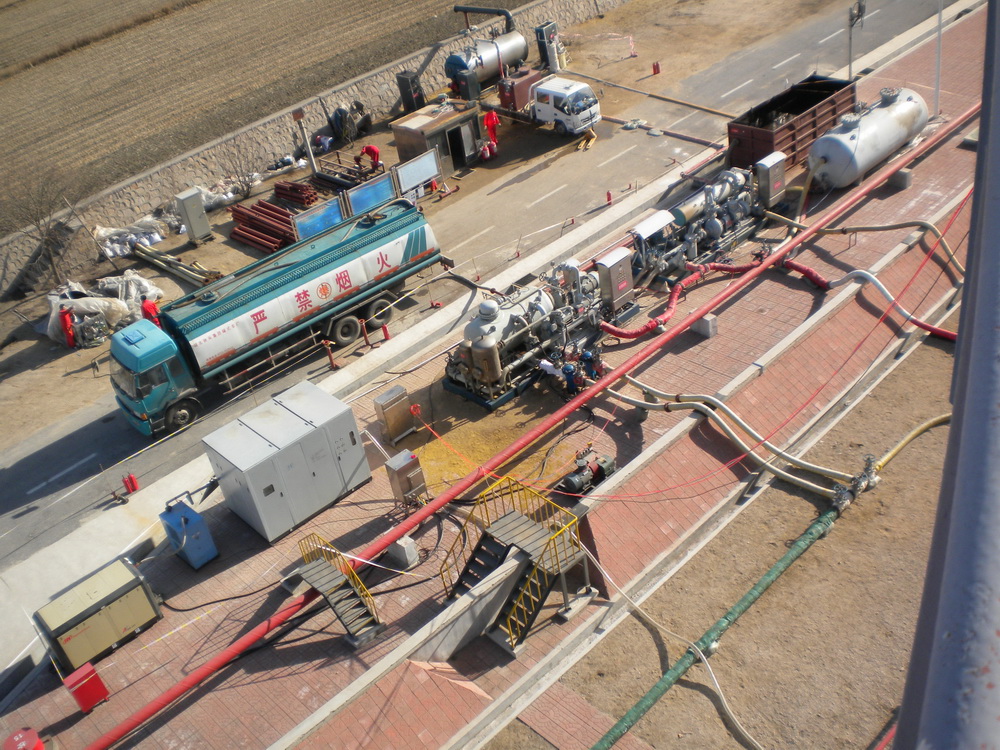
BJATL-COTWS mechanical cleaning of crude oil storage tanks is a modern industrial cleaning technology that integrates safety, environmental protection and efficiency. It completely overturns the high-risk operation mode of traditional manual tank cleaning, and achieves efficient cleaning of the tank interior through a fully enclosed and automated physical cleaning process.
The core cleaning process usually includes the following key steps:
Firstly, the mechanized suction of residual oil and sludge. In the initial stage of cleaning, the system uses a high-power suction module to draw the high-viscosity sludge and residual oil deposited at the bottom of the tank through the tank wall openings or reserved interfaces. This process is carried out in a closed system, effectively avoiding the leakage of toxic and harmful gases and ensuring the safety of the working environment.
Secondly, the same oil cleaning (BJATL-COW process). This is one of the core steps of mechanical tank cleaning. The system pumps heated same type of crude oil into the tank to be cleaned, and uses the good mutual solubility of the oil products, combined with dedicated stirring equipment or three-dimensional rotating nozzles, to perform cyclic flushing and stirring on the tank bottom and tank walls. This process can dissolve hard oil sludge and heavy paraffin, allowing the usable oil content in the sludge to be fully absorbed, and the crude oil recovery rate can reach over 98%, achieving the maximum utilization of resources.
Thirdly, warm water cleaning and high-pressure jetting. After the oil recovery is completed, the system introduces fresh water, uses the cleaning equipment to heat the water, and generates powerful water flow through a high-pressure pump. These hot water are sprayed at high speed in multiple directions towards all parts of the tank, for non-stop cleaning of the tank top, side walls and corner areas with no blind spots, thoroughly removing the remaining dirt adhering to the metal surface. The wastewater generated by the cleaning process will enter the oil-water separation device, undergo treatment and be discharged or recycled in accordance with standards.
Finally, inert gas protection and manual sludge removal. Since the cleaning process is a high-risk operation, when the tank liquid level is lower than the height of the floating boat pillar or during water cleaning, the system will automatically inject nitrogen for protection, strictly controlling the oxygen and flammable gas concentrations in the tank to prevent fire and explosion accidents. After the mechanical cleaning is completed, the bottom of the tank usually only retains a small amount of solid residue and sand particles. At this time, personnel can wear protective equipment to enter the tank for simple bagging cleaning, and the storage tank can quickly meet the conditions for hot work maintenance.
In summary, BJATL-COTWS mechanical tank cleaning uses a series of automated processes such as suction, same oil dissolution, warm water jetting and nitrogen protection, not only shortens the construction period by nearly half, but also fundamentally eliminates the safety hazards of personnel entering the tank, achieving green, low-carbon and efficient safety cleaning of crude oil storage tanks.