How are the environmental protection measures for the cleaning of the storage tanks BJATLensured?
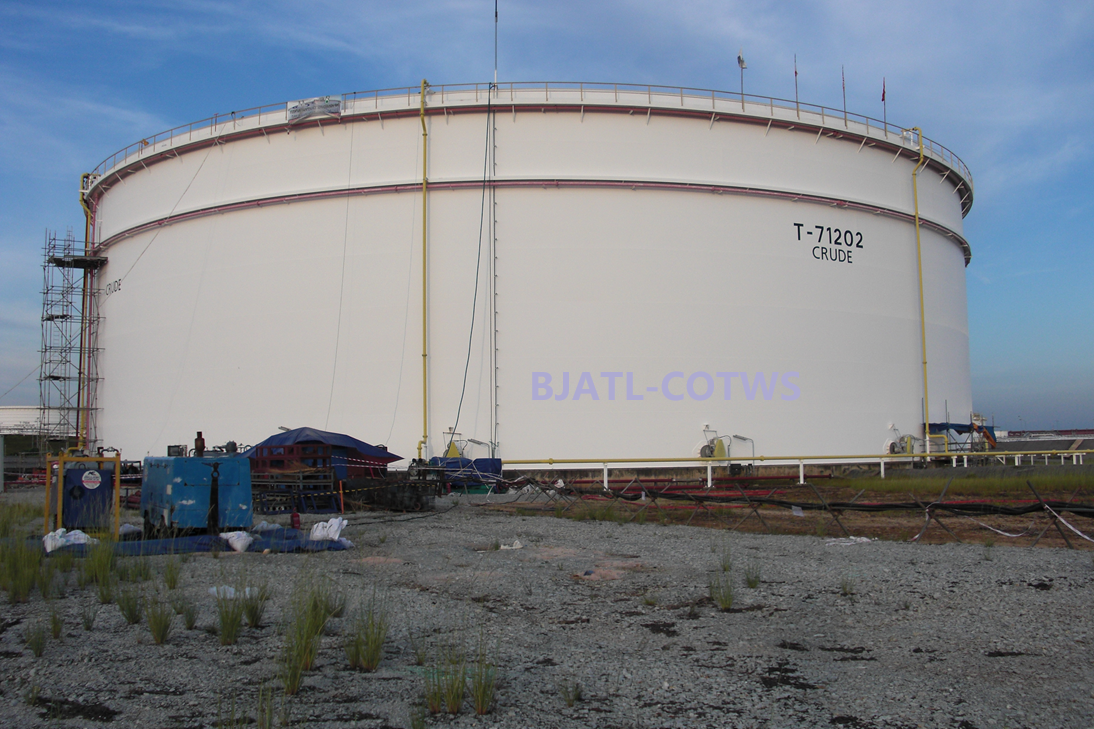
The cleaning operation of crude oil storage tanks is not only a process of equipment maintenance but also a crucial part of environmental compliance. During the cleaning process, a large amount of oily wastewater, volatile organic compounds (VOCs), and hazardous solid waste are generated. Therefore, modern tank cleaning construction must establish a full-process, multi-dimensional environmental protection guarantee system to achieve green and low-carbon operations.
Firstly, in terms of exhaust gas treatment and VOCs control, modern cleaning techniques completely abandon the traditional "vaporizing tank" operation that causes air pollution and fully adopt a fully enclosed mechanical cleaning system. During the cleaning process, the volatile organic compounds (VOCs) in the tank will be collected in a sealed manner and purified through "collecting hood + dehumidifier + activated carbon adsorption system" or catalytic combustion and other exhaust gas treatment devices, and then discharged through a dedicated exhaust pipe after meeting the standards. At the same time, on-site construction must install VOCs online monitoring devices to ensure that the unorganized exhaust gas emissions comply with relevant national control standards, thereby eliminating the pollution of toxic and harmful gases to the surrounding atmosphere from the source.
Secondly, in terms of wastewater and waste liquid treatment, the oil-water mixture generated during cleaning is strictly defined as hazardous waste and is implemented with "zero discharge" and closed-loop management. On-site construction must build a dedicated sewage treatment station and adopt a comprehensive process such as "adjustment tank + multi-level filtration + purification + sedimentation" to treat the oily wastewater. The treated clean water can all be recycled for tank flushing, achieving water resource recycling; while the oil-water mixture that cannot be recycled must be strictly managed as hazardous waste and temporarily stored in a dedicated storage pool that complies with the "Pollution Control Standards for Hazardous Waste Storage", and finally handed over to a qualified third-party institution for harmless disposal, strictly prohibiting random dumping or entrusting unqualified institutions for handling.
Thirdly, in terms of solid waste and hazardous waste management, the oily rags, waste activated carbon, oil sludge from the oil separator, and solid residues remaining at the tank bottom all need to be collected in dedicated collection buckets and properly stored in standardized hazardous waste storage warehouses. The transfer, transportation, and final disposal of these hazardous wastes must strictly follow the hazardous waste transfer form system to ensure full traceability throughout the life cycle and prevent secondary pollution.
Finally, in the comprehensive environmental control during the construction period, the construction unit must strictly implement civilized construction requirements. By strictly controlling the construction operation area, setting up dust screens, and watering regularly, construction dust can be suppressed; reasonable scheduling of the operation time of high-noise equipment to avoid disturbing the residents at night. In addition, the enterprise must also prepare a comprehensive emergency environmental incident response plan in advance, equip sufficient emergency materials, and be prepared to deal with possible environmental risks such as oil leakage.
In conclusion, the environmental protection guarantee for tank cleaning construction is a systematic project, relying on the upgrading of closed processes, the recycling of wastewater, the compliant disposal of hazardous waste, and strict on-site supervision. These measures jointly build a solid ecological defense line, ensuring the green and sustainable development of the petroleum storage and transportation industry.